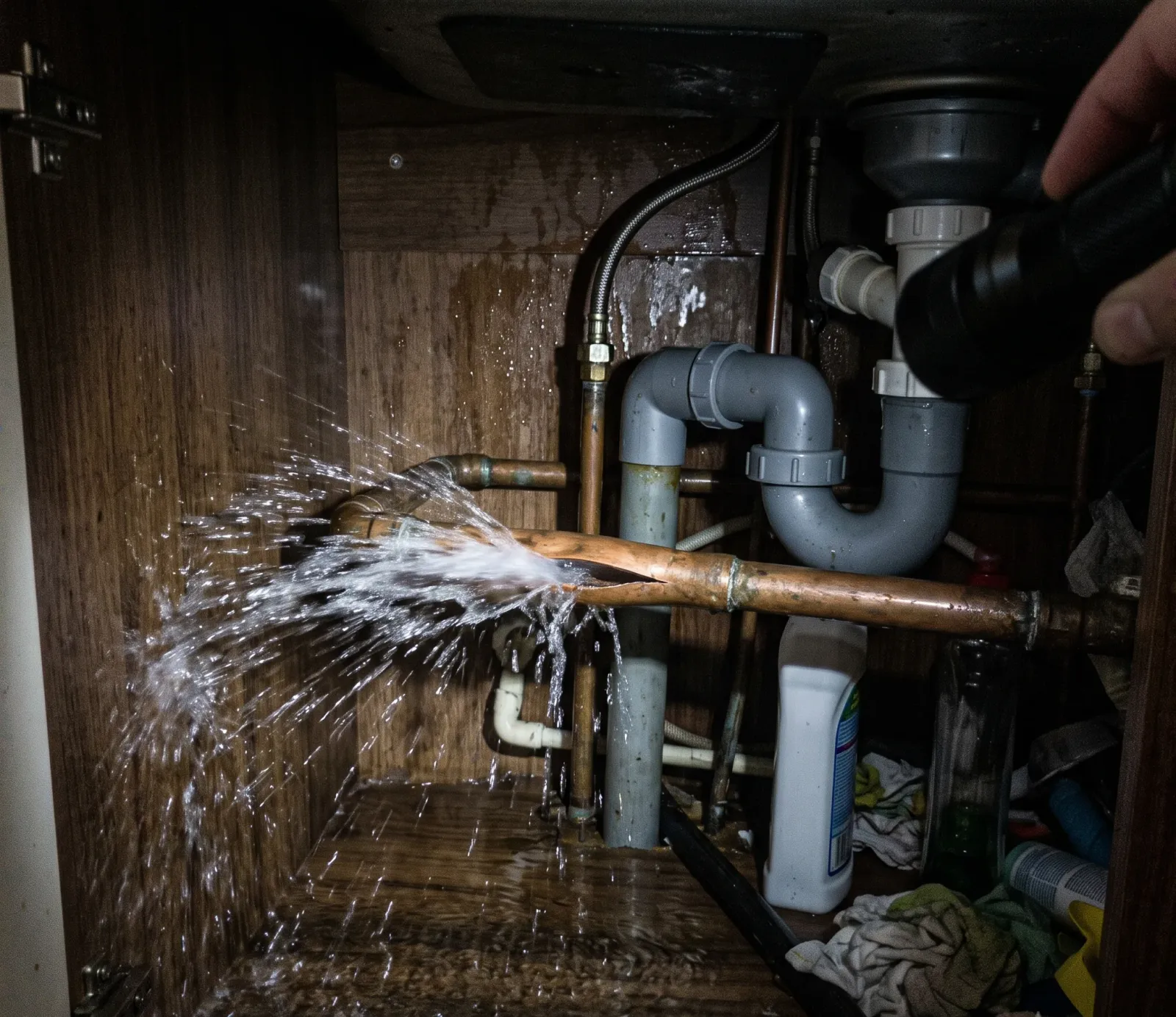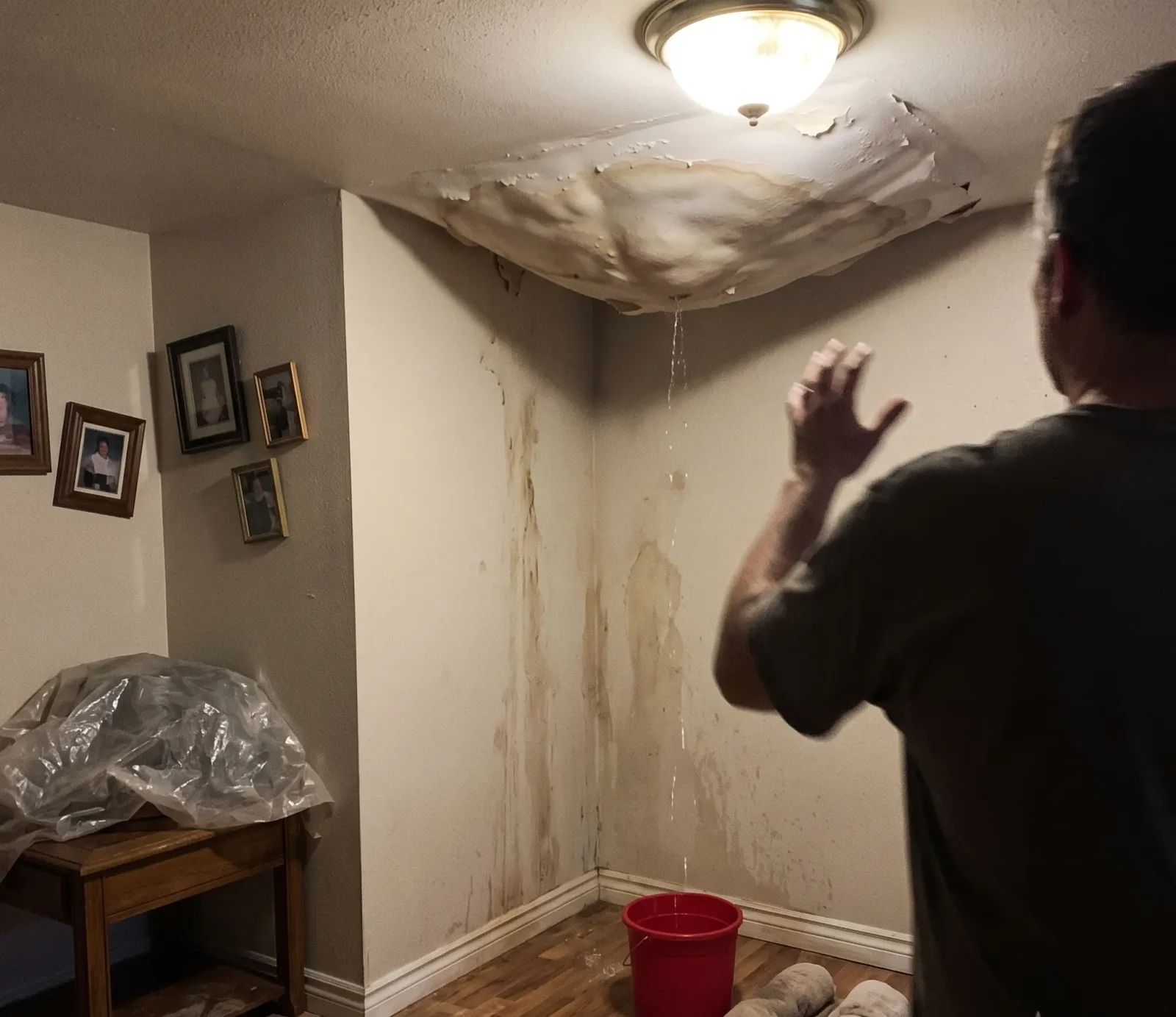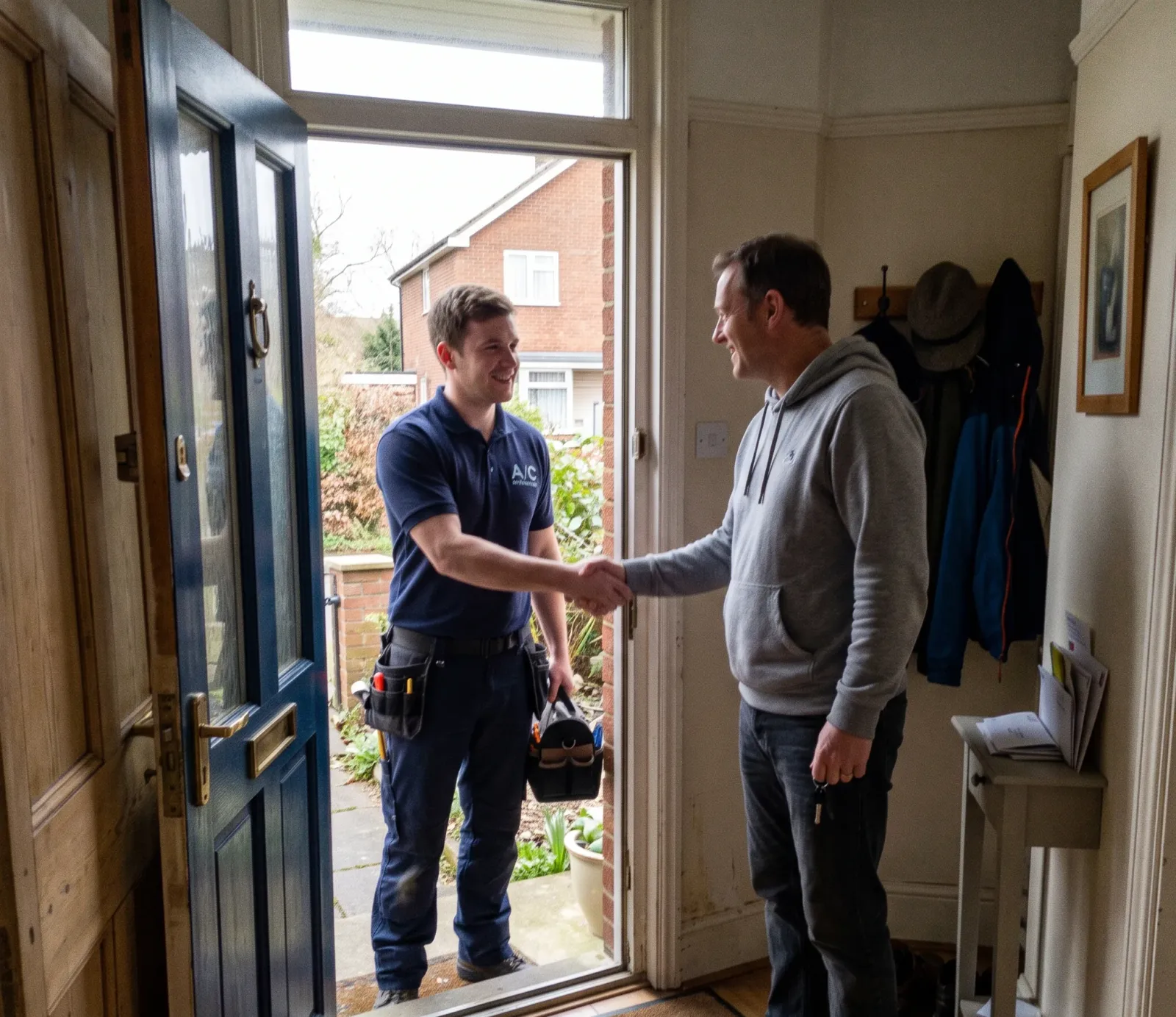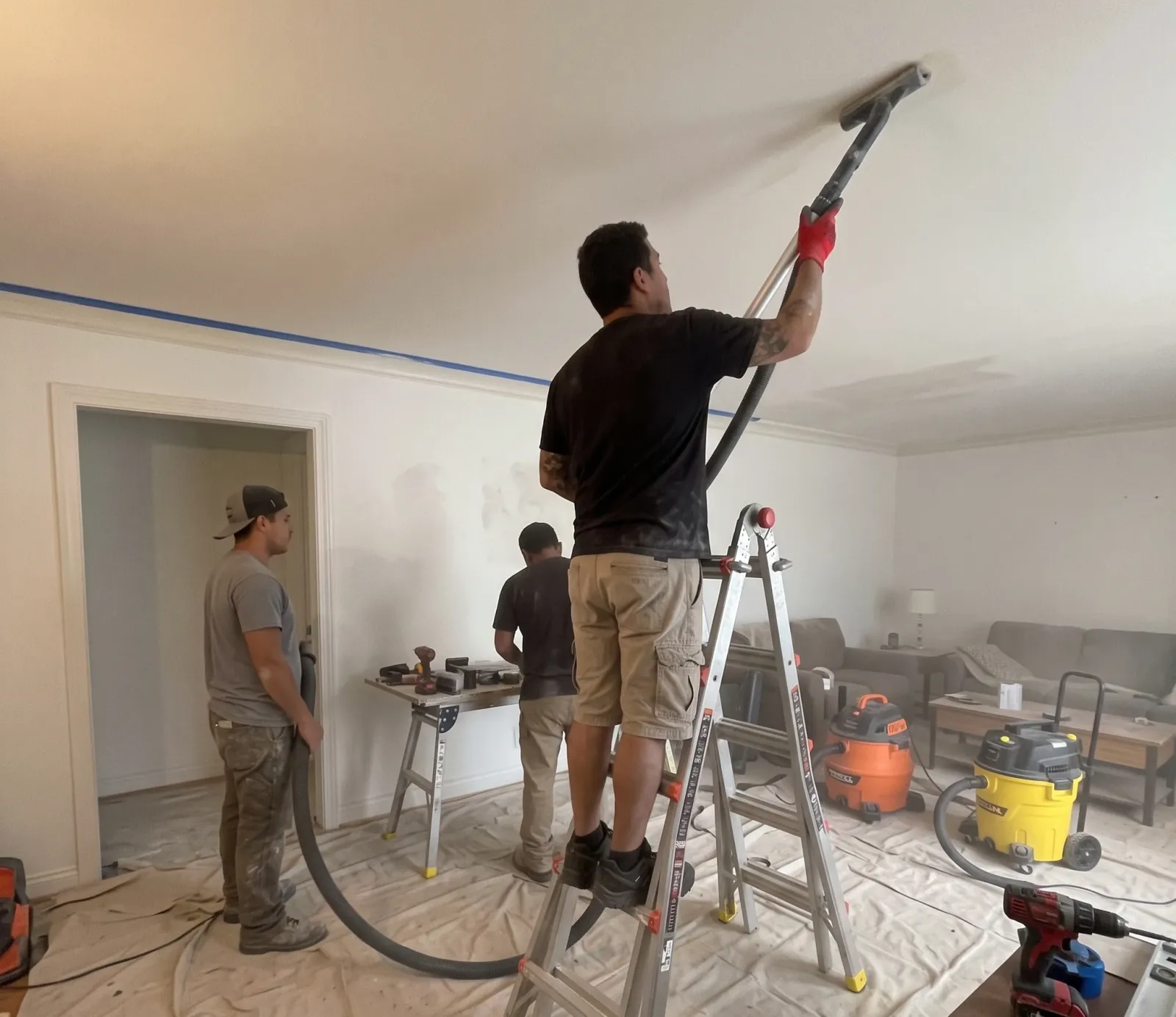
Water is spreading across the floor of a Fort Lauderdale home and the first call is placed. Within a short window, a technician arrives, and the visit follows a fairly predictable order. Knowing that order ahead of time turns a stressful morning into a series of steps a homeowner can actually follow along with, rather than a blur of equipment and unfamiliar words.
The First Walkthrough Matters Most
When a technician arrives at a Fort Lauderdale home, the first job is a walkthrough, not a repair. In a slab-foundation house near Imperial Point or a condo off Las Olas Boulevard, the tech checks how far water traveled and which materials got wet. This assessment sets the scope of work. Nothing gets torn out or dried yet. The homeowner walks alongside the tech through every affected room before any equipment comes off the truck.
Reading Moisture, Not Guessing
Moisture mapping is how the technician figures out where water actually went, using a meter to take moisture readings on walls, baseboards, and flooring throughout the home. A spot near a canal-front property in Fort Lauderdale might show damp drywall well beyond where the water was first noticed, since materials wick moisture upward and sideways long after the initial event.
Getting To A Scope Of Work
Once moisture mapping is finished, the technician writes down which materials are wet, how wet, and how far the water traveled. This becomes the scope of work: a plain list of what needs to dry, what might need to come out, and what can likely be saved. In a condo near Coral Ridge or a single-family home in Imperial Point, that list looks different depending on the materials involved.
Setting Up Containment First
Moisture mapping comes next. Using a meter, the technician takes a moisture reading on walls, baseboards and flooring throughout the space, marking which areas are wet versus merely damp. In canal-front homes near Rio Vista or Harbor Beach, water can wick further into drywall than it appears on the surface. These readings become the baseline the drying plan is built from, and they get rechecked daily to track progress against that plan.
Where The Equipment Actually Goes
Equipment placement follows the readings, not a guess. Air movers go where airflow speeds drying, and containment setup separates the wet area from dry rooms so humidity doesn't spread through the rest of the house. In a two-story home in Coral Ridge or a townhome in Victoria Park, that might mean sealing off a stairwell. The technician explains why each piece sits where it does before switching anything on.
Building A Realistic Drying Plan
Communication is the last piece, and it doesn't stop once the equipment is running. The homeowner gets a point of contact, a written work order, and photo documentation of the damage for insurance coordination. A rough timeline for drying follows, along with what the next visit will check. Anyone dealing with a claim under Florida's notice deadlines should keep that paperwork together from day one.
Who You Actually Talk To
Most homeowners want one person to ask questions to, not a rotating cast of strangers. That is what a point of contact is for. This person can explain why a piece of equipment is still running on day three, or why a wall that looks dry on the outside still needs another day of drying underneath the surface.
Photo Documentation Along The Way
Photos get taken at nearly every stage: the original damage, the moisture readings, the equipment setup, and the final dry readings before anything is closed back up. This record protects the homeowner later if questions come up about what was actually wet, what was removed, and why certain materials could not be saved.
Where Insurance Fits In
Insurance coordination usually starts with the same photo documentation and scope of work already being built during the visit. A clear work order, with dates, rooms, and readings, gives an adjuster something specific to review instead of a vague description. Homeowners in Fort Lauderdale dealing with a claim benefit from this paperwork existing before the adjuster ever calls.
A Realistic Timeline To Expect
A timeline gets discussed early, even though it is an estimate rather than a promise. Drying typically runs several days, with equipment checked and moisture readings retaken along the way. A home near Victoria Park or Rio Vista with good airflow may dry faster than a tightly sealed condo, since ventilation and material type both affect the pace.
What To Ask Before They Leave
Before the technician leaves that first visit, it helps to ask what the moisture readings actually mean, when the next check-in is scheduled, and what happens if a material does not dry in the expected time. Those three questions cover most of what comes up later, and asking them early saves confusion once the equipment is running and the house is quiet again.
Dealing with this in your home?
Fort Lauderdale sits barely above sea level, so water damage rarely waits for a burst pipe. Tropical downpours and king tides push water across slab foundations in Victoria Park, Rio Vista, and Wilton Manors alike. The licensed pros we connect you with know slab drying takes longer here, since the shallow water table keeps feeding moisture back up from underneath.