Fort Lauderdale homes run air conditioning nearly every month of the year, and that constant cycle keeps the condensate line working overtime. Homeowners near Victoria Park and Coral Ridge often assume a drain line only needs attention when something already looks wrong. This article lays out a simple inspection interval instead, so the line stays clear before humidity and salt air ever get the chance to cause a slow, hidden mess inside the house.
Why This Line Works So Hard
In most of the country, an AC unit rests part of the year. In Fort Lauderdale, it barely stops, which means the evaporator coil produces condensate almost continuously. That steady drip runs down a PVC line to the outside, or into a drain pan under the unit. The pipe is narrow, and dust, algae, and fine debris ride along with the water every single day, building up gradually inside the walls of the line.
What Actually Builds The Clog
A condensate line clog is rarely one dramatic event. It is algae and biofilm growing along the damp interior of the PVC line, plus dust pulled in from the return air, settling layer by layer. Humidity this high in Coral Shores and Imperial Point homes alike feeds that growth faster than drier climates would. Left alone, the buildup narrows the pipe until water can no longer pass through at the rate the coil produces it.
How Often To Check It
A reasonable inspection interval for a Fort Lauderdale home is every one to three months, tied to how hard the system runs rather than the calendar. A unit cooling a home in Imperial Point through a full summer needs checking more often than a lightly used condo. Set a reminder near the start and middle of hurricane season, June through November, since that stretch is when the unit runs longest without a break.
What A Simple Check Looks Like
Checking the line does not require tools. Look at the drain pan under the indoor unit for standing water or a musty smell. Look at the PVC line outside where it exits the house and confirm water is actually dripping from it while the system runs. A dry outlet on a hot, humid day near the Intracoastal is often the first sign that a clog is already forming further up the line.
The Tablet Habit Worth Building
Many Fort Lauderdale homeowners add a condensate line tablet, sometimes labeled for the drain pan, every one to two months as part of the same routine. Dropped into the drain pan or an access point on the line, it slows the algae growth that narrows the pipe over time. It is not a substitute for looking at the line itself, but paired with a regular check, it stretches the time between real clogs.
When A Vacuum Does The Job
If the drain pan is holding water or the outdoor line runs dry, a wet-dry vacuum at the outside end of the PVC line can pull a soft clog free. This is a task the licensed pros we connect you with handle carefully, since too much suction risks damaging a fitting near the evaporator coil. For a homeowner without that vacuum on hand, an inspection interval that catches the problem early avoids needing one at all.
The Float Switch Backstop
Most systems installed in Broward County homes include a float switch, sometimes called a wet switch, sitting inside or near the drain pan. When water rises past a set point, it shuts the AC unit off before the pan overflows. It is a backstop, not a maintenance plan. A homeowner in Sistrunk or Melrose Park who relies on the switch alone still faces a system that stops cooling on the hottest day of the year.
Reading The Warning Signs Early
A few signals point to a line getting close to full: a musty smell near the indoor unit, visible moisture on the drain pan lip, or the AC unit cycling off on its own during a hot afternoon. None of these mean water has reached the floor yet. Catching any one of them during a routine check, rather than after the fact, is the entire point of keeping to a schedule instead of waiting for a symptom.
Why Skipping Months Adds Up
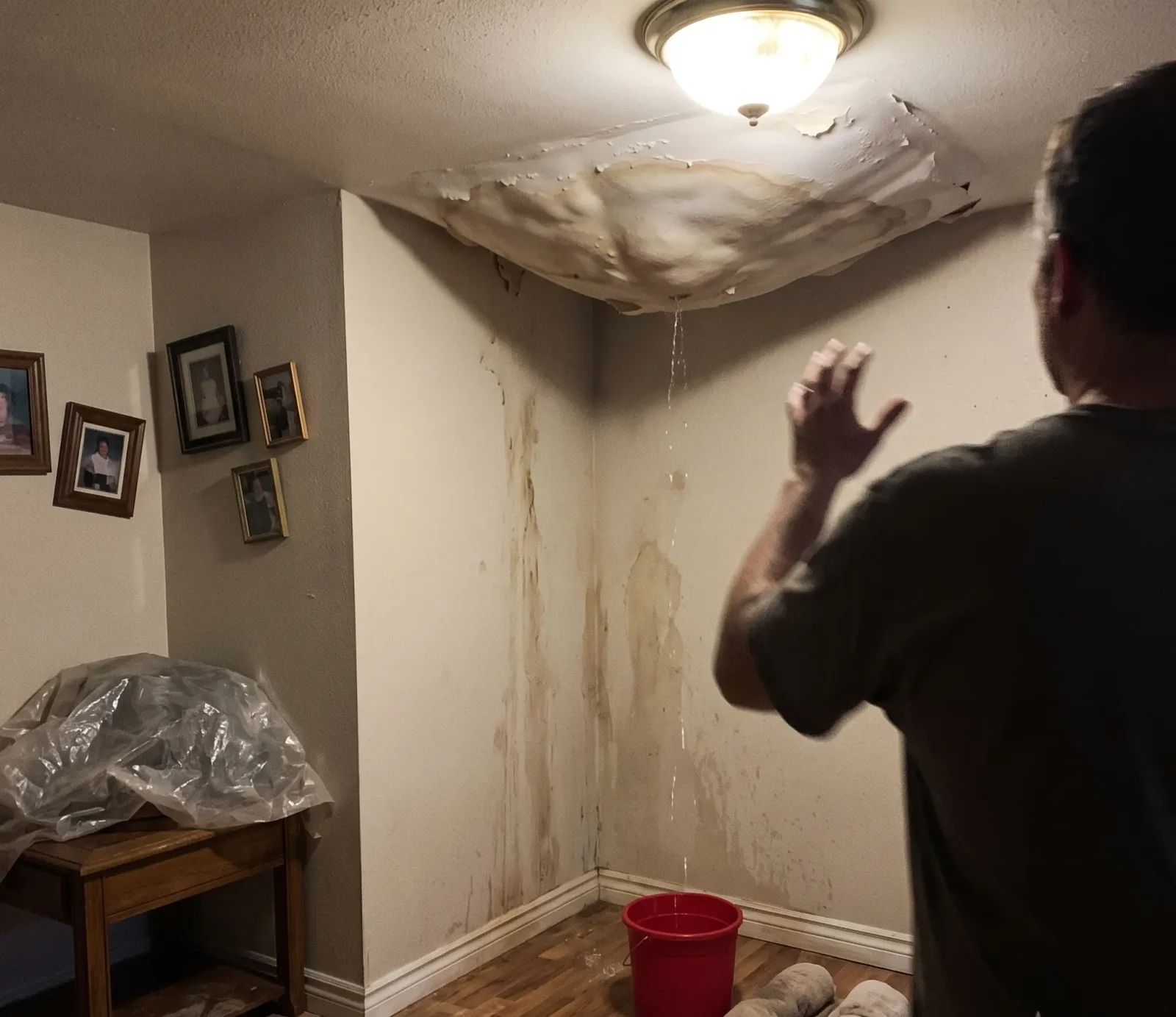
Skipping the inspection interval for four or five months in a row, especially through a stretch of tropical downpours, lets ordinary buildup turn into a full stoppage. Once the line is blocked, the condensate produced every day has to go somewhere, and a slab foundation home in Riverside Park or Poinsettia Heights offers no crawl space to absorb it quietly. It shows up as a stain or a puddle instead.
Building It Into A Real Routine
The easiest way to keep this from being forgotten is to pair it with something already on a calendar, like a filter change or a hurricane season checklist. A quick look at the drain pan and the outdoor PVC line takes a few minutes. Homeowners near Oakland Park Boulevard or Sunrise Boulevard who tie the check to a monthly errand tend to catch a slow clog long before it becomes standing water.
Keeping The Habit Through The Year
Fort Lauderdale's climate does not give an AC unit a season off, so the drain line does not get one either. A short check every one to three months, a tablet dropped in on the same schedule, and attention to the float switch as a backup rather than a plan, together keep water where it belongs. That routine, kept up through hurricane season and beyond, is what actually prevents an overflow before it starts.
Dealing with this in your home?
Fort Lauderdale sits barely above sea level, so water damage rarely waits for a burst pipe. Tropical downpours and king tides push water across slab foundations in Victoria Park, Rio Vista, and Wilton Manors alike. The licensed pros we connect you with know slab drying takes longer here, since the shallow water table keeps feeding moisture back up from underneath.